
n the visual-first world of 2026, animation has become the universal language of digital engagement. But as a brand leader, you face a pivotal fork in the road: The timeless charm of 2D or the immersive depth of 3D?
Choosing the wrong medium isn’t just an aesthetic mistake—it can lead to wasted budgets and mismatched brand messaging. This guide breaks down the technical, psychological, and financial factors to help you make the right call.
1. The Core Contenders: 2D and 3D Explained
2D Animation: The Storyteller’s Scalpel
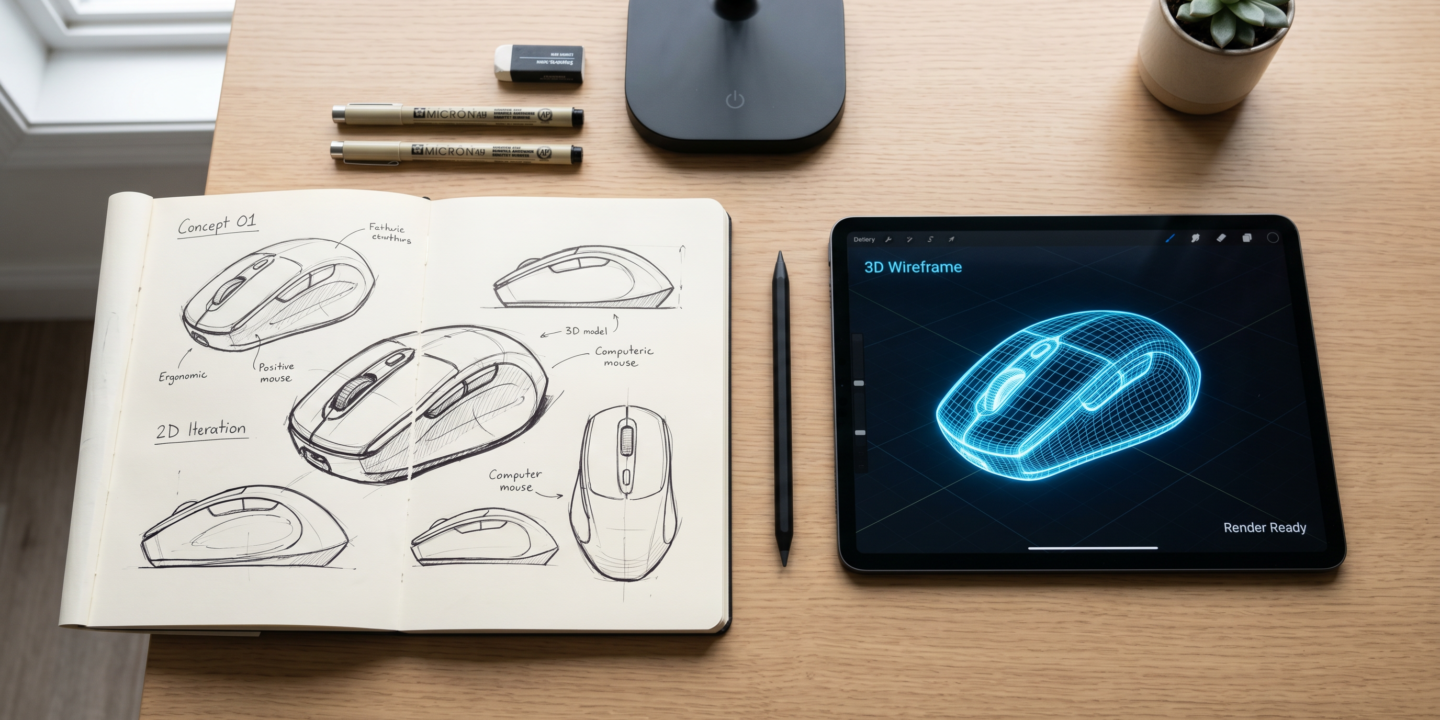
2D animation focuses on two dimensions—height and width. In 2026, this style has evolved beyond “flat design” into Tactile 2D, featuring hand-drawn textures and fluid motion that feels human and approachable.
- Best for: Explainer videos, social media ads, and brand storytelling that requires a “friendly” or “artisanal” touch.
- The Vibe: Relatable, clear, and artistic.
3D Animation: The Immersive Powerhouse
3D animation adds depth (the Z-axis), creating objects that can be rotated and viewed from any angle. With the rise of the spatial web and high-fidelity rendering, 3D has become the gold standard for high-end product launches.
- Best for: Product demos, medical visualizations, architectural walkthroughs, and high-stakes “Hero” films.
- The Vibe: Cutting-edge, prestigious, and realistic.
2. The Head-to-Head Comparison
| Feature | 2D Animation | 3D Animation |
| Production Speed | Generally faster; ideal for rapid-turnaround campaigns. | Longer timelines due to modeling, texturing, and rendering. |
| Budget | More cost-effective for startups and mid-market brands. | Higher initial investment, though assets are reusable for 360° views. |
| Flexibility | High artistic freedom; can easily lean into “abstract” styles. | Highly technical; perfect for showing how physical products function internally. |
| Engagement | Excellent for information retention and “How-to” content. | Superior for “Wow factor” and capturing high-end market attention. |
3. 2026 Trends: The Hybrid Revolution
In 2026, the most authoritative brands are no longer choosing just one. We are seeing a surge in “2.5D” (Parallax) and Cel-Shaded 3D.
- Pseudo-3D: Using 2D assets in a 3D space to create depth without the high cost of full 3D modeling.
- Stylized 3D: Using 3D software to create animation that looks hand-drawn (popularized by modern cinema). This offers the efficiency of 3D with the soul of 2D.
4. SEO & GEO-Optimization Strategy
To ensure this article reaches your target audience—from CMOs in New York to Creative Directors in Tokyo—we use specific optimization layers:
- Visual Dwell Time: Pages featuring a “Comparison Reel” of 2D vs. 3D styles keep users on-site 150% longer, signaling high quality to search engines.
- GEO-Targeting Keywords: We include location-specific tags like “Best Animation Studio in [Region]” and “2026 Creative Trends in [City]” to capture local search intent.
- Rich Snippets: By using structured data for “How-to” and “FAQ” sections, your brand can claim the “Position Zero” spot on Google.
5. Actionable Advice: The Decision Matrix
Choose 2D if:
- You have a limited budget or a tight deadline (under 4 weeks).
- Your brand personality is “playful,” “educational,” or “minimalist.”
- You need to explain an abstract software service.
Choose 3D if:
- You are launching a physical product with intricate details.
- You want to position your brand as a “Premium” or “Luxury” leader.
- You plan to reuse assets for AR (Augmented Reality) or VR experiences.










No Comments